
Emergency
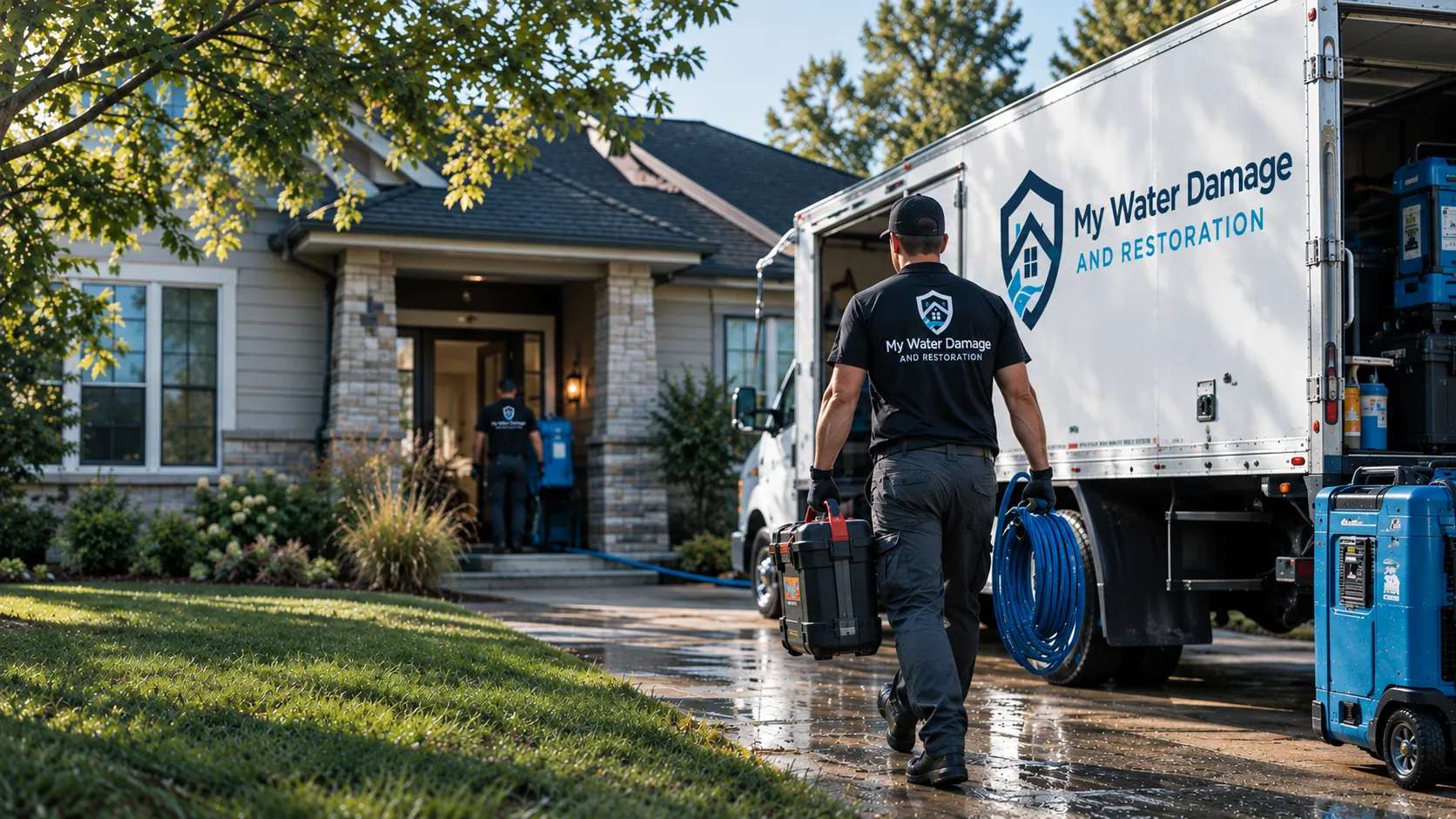
Emergency Water Extraction in Boulder, CO
The cheapest stage of a water loss, and the one that decides how expensive the rest of it gets. Standing water is removed before it moves into the structure. Extraction is priced as a visit rather than as a daily rate, which makes it the smallest line on most water estimates and the one with the largest effect on every other line. Every hour water stays in contact with the building moves material from the drying column into the removal column, and removal carries demolition, disposal and rebuild behind it.
The pro who inspects is the pro who quotes
Every pro in our network is licensed and insured in Colorado.
Often needed alongside
- Structural Drying & Dehumidification
Units times days, ending on a measured reading. The most checkable line on a water estimate, and the alternative to cutting material out.
- Sewage Backup Cleanup
Porous material that has touched it is not dried, it is removed. That single rule is what makes this the dearest water loss at any volume.
Frequently asked questions
The contractor says the plaster can be saved. Is that the cheaper answer?
Usually, though not always obviously. Plaster takes considerably longer to reach a dry standard than drywall does, so the equipment days and the monitoring visits both rise. Against that sits the cost of reproducing a keyed plaster wall, which is specialist work. Ask for both figures rather than accepting either on its own.
Why does the wet area keep growing after the first visit?
Because older walls move water sideways. Board sheathing and cavity construction let moisture track well past the point where the surface shows it, so each day's readings tend to push the marked edge outward. A good estimate says what it assumes about assemblies nobody has opened, and what happens to the figure when they are.
Is there any advantage to an older house in a water loss?
One real one. Plaster, solid trim and board floors are materials that can often be dried and kept, where their modern equivalents are removal by rule. That shifts cost from the rebuild half of the bill into the mitigation half, which is the half with countable units, days and readings behind it.
These questions come from the Boulder page.