
Emergency
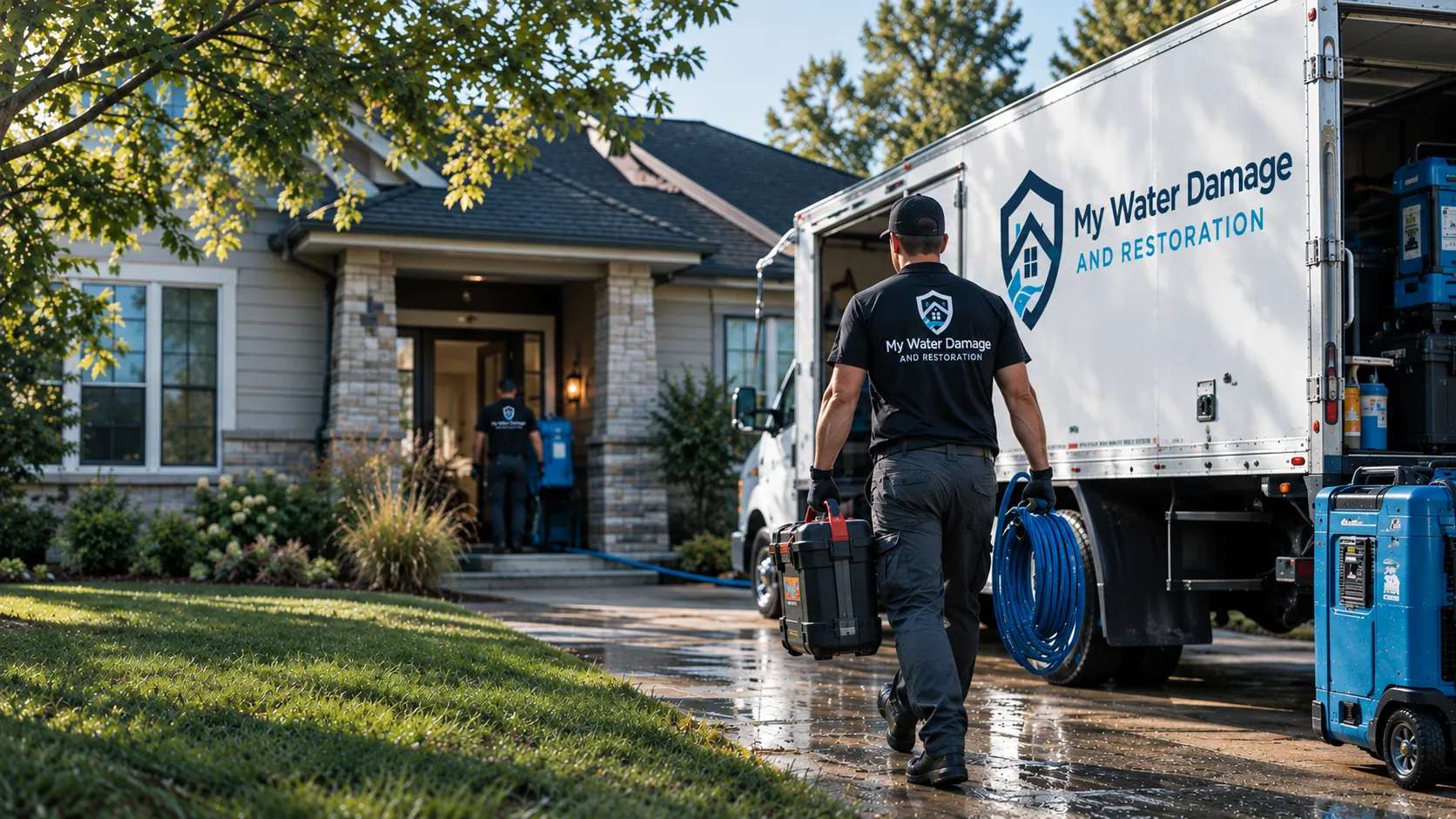
Storm & Flood Damage Recovery in Brighton, CO
Water that arrived from outside prices like any other loss and is usually treated differently by a policy. Both halves matter to the homeowner. Water that entered from outside is usually priced like any other loss and read differently by a policy. The work turns on how much porous material was reached and what the water carried; the coverage question turns on where the water came from and how it got in. Those are separate questions and the answers do not track each other.
Quoted on site by the contractor who visits
Every pro in our network is licensed and insured in Colorado.
Often needed alongside
- Groundwater & Basement Water Intrusion
The lowest point in the house is usually the most finished. That combination is what makes below-grade water the most expensive square footage on the estimate.
- Emergency Water Extraction
The cheapest stage of a water loss, and the one that decides how expensive the rest of it gets. Standing water is removed before it moves into the structure.
- Structural Drying & Dehumidification
Units times days, ending on a measured reading. The most checkable line on a water estimate, and the alternative to cutting material out.
Frequently asked questions
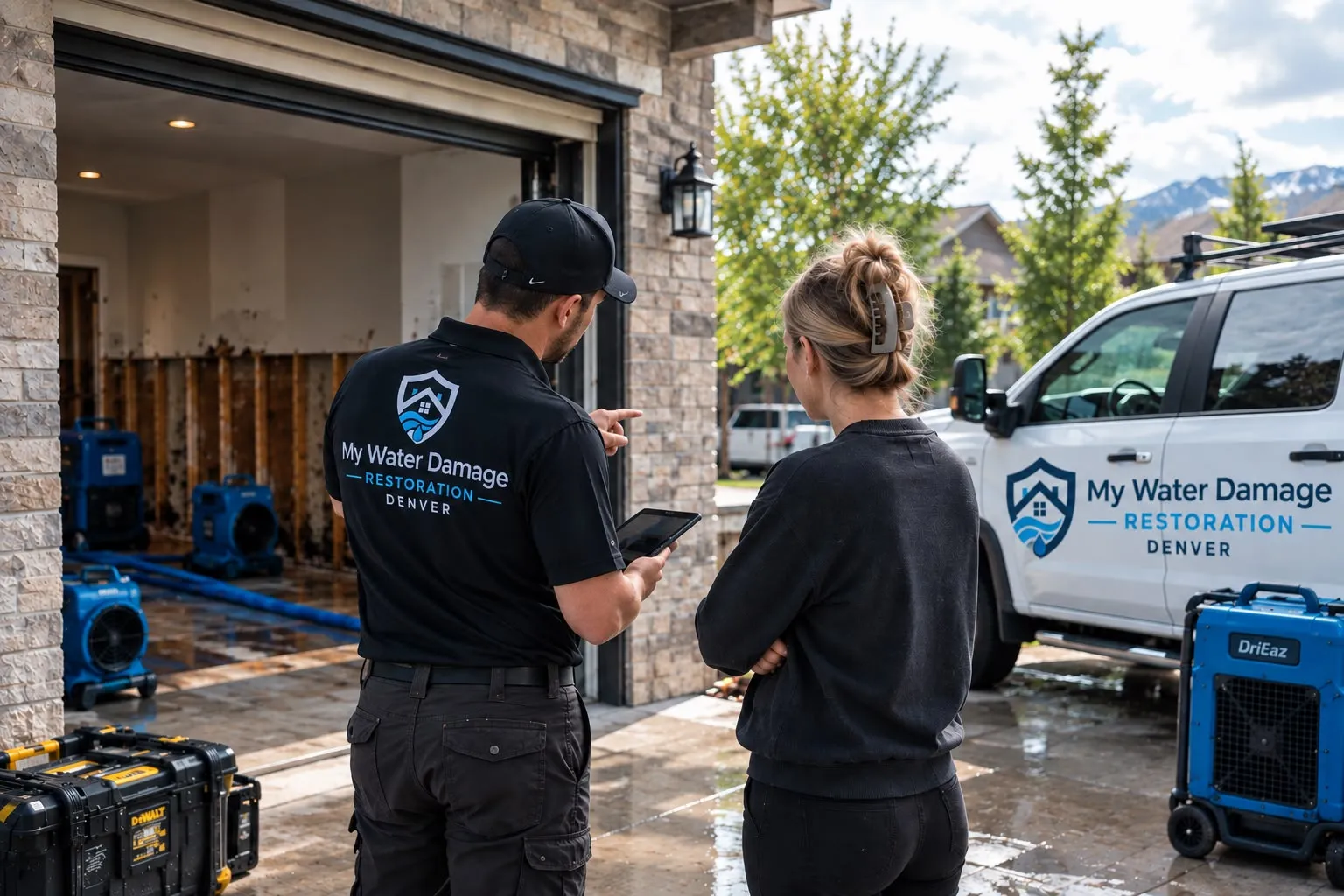
The sump pump failed and the basement flooded. Is that a water damage claim?
It is a question with two parts. The damage is priced like any other water loss, but whether a policy answers it commonly depends on the cause and on whether separate cover was in place for that specific failure. Policies treat groundwater differently from a burst supply line, and the carrier decides which applies.
Why does a basement loss cost more than the same water upstairs?
Because the lowest point in the house is usually the most finished. Carpet, pad, drywall and trim run down to the slab in a finished lower level, and saturated porous material at the base of a wall is a removal line rather than a drying one. Removal carries demolition, disposal and rebuild behind it.
Can anything be dried in place after groundwater comes in?
Framing and the slab itself usually can. What generally cannot is the pad, the lower drywall and any fibrous insulation that has been in contact, because water that came up through the ground is not treated as clean. Ask which items are on the removal list and what reading or category put them there.
These questions come from the Brighton page.