
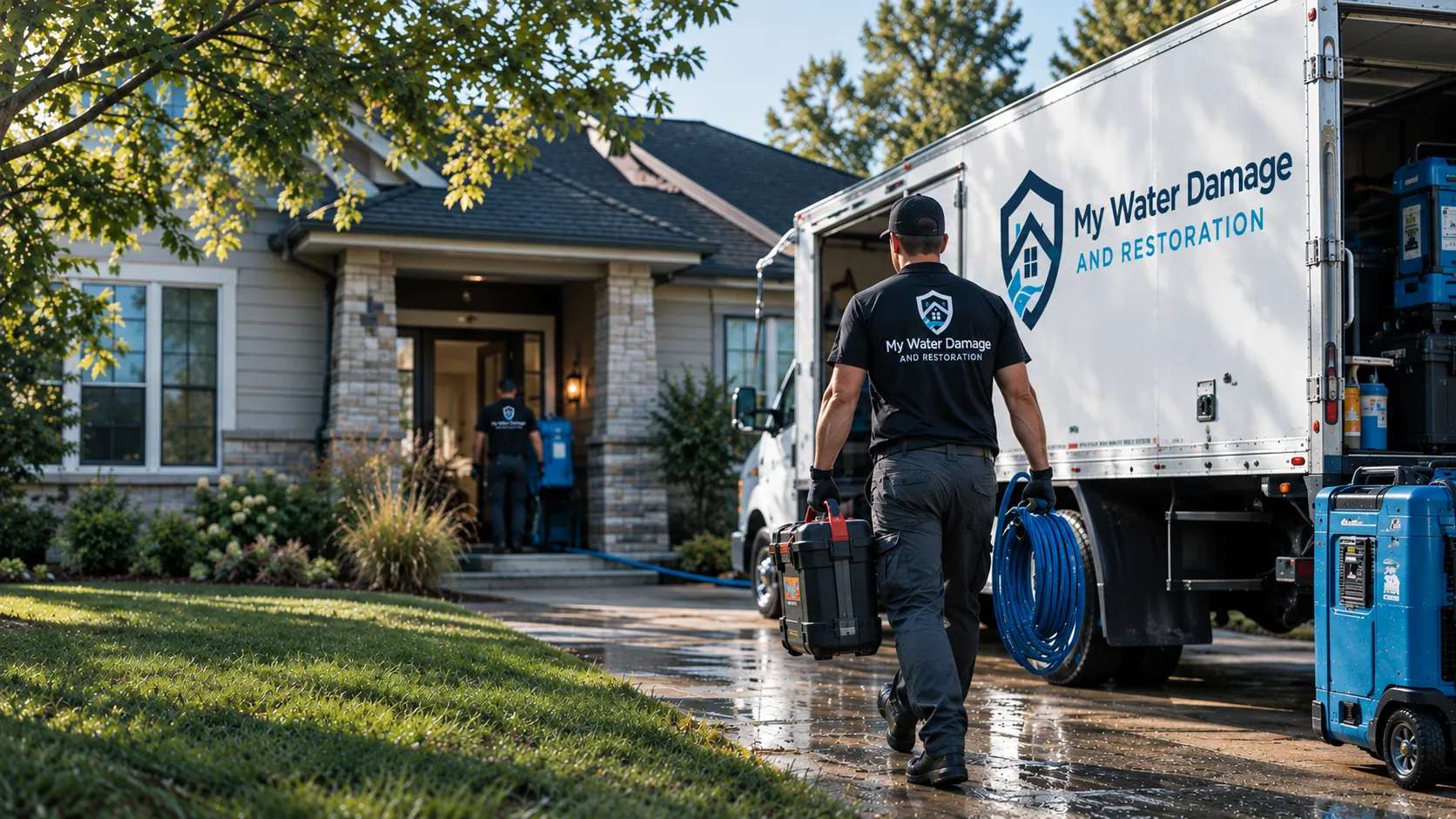
Serving Denver
Groundwater & Basement Water Intrusion in Denver, CO
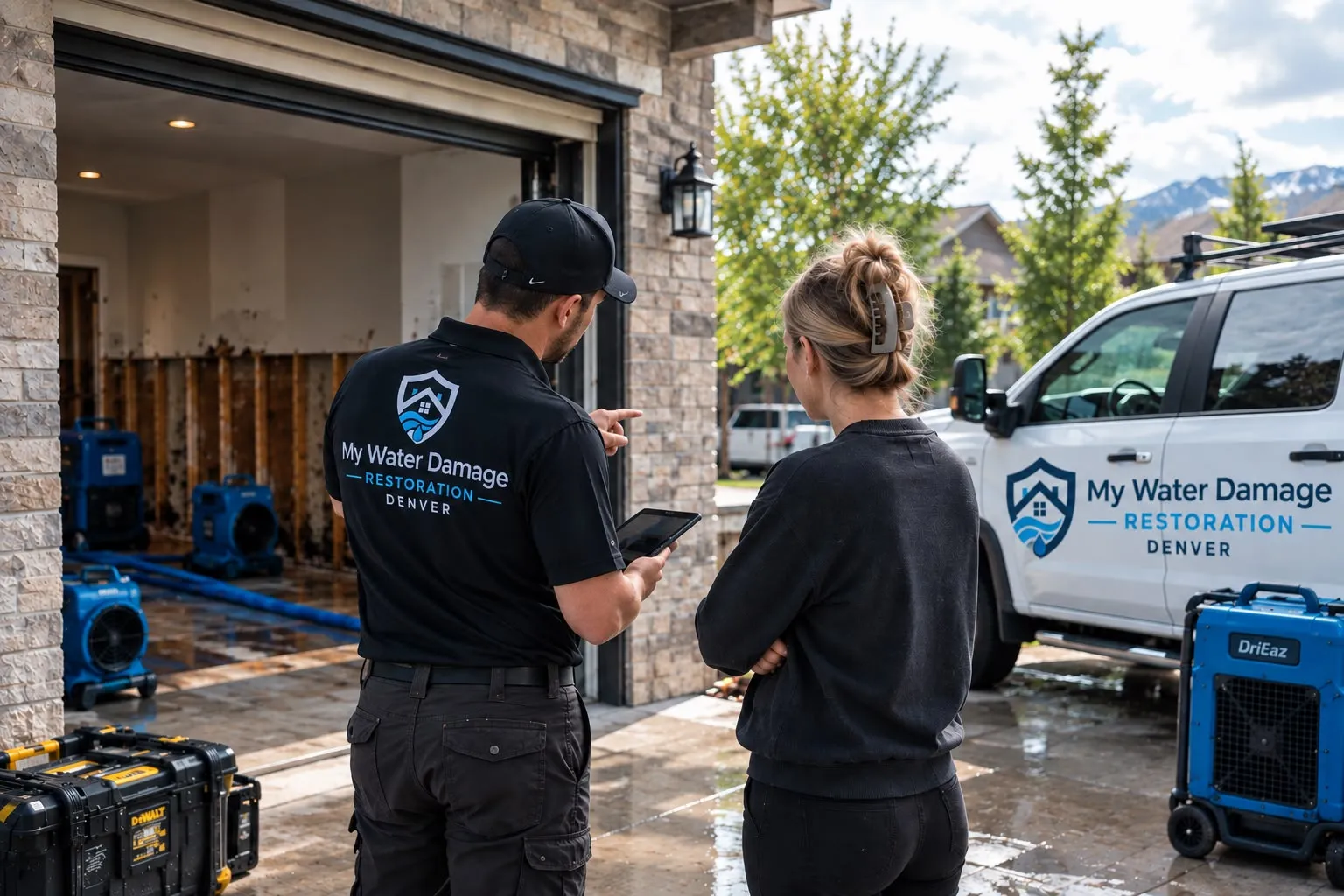
The lowest point in the house is usually the most finished. That combination is what makes below-grade water the most expensive square footage on the estimate. Below-grade losses carry a higher removal share than anywhere else in a house, because the lowest point water reaches is frequently the most finished. Carpet, pad, drywall and trim all meet the floor down there, and saturated porous material at the base of a wall is a removal line rather than a drying one.
Licensed contractors · findings documented for your claim
Every pro in our network is licensed and insured in Colorado.
Often needed alongside
- Storm & Flood Damage Recovery
Water that arrived from outside prices like any other loss and is usually treated differently by a policy. Both halves matter to the homeowner.
- Structural Drying & Dehumidification
Units times days, ending on a measured reading. The most checkable line on a water estimate, and the alternative to cutting material out.
- Sewage Backup Cleanup
Porous material that has touched it is not dried, it is removed. That single rule is what makes this the dearest water loss at any volume.
Frequently asked questions
Why does a basement backup cost so much more than a clean-water loss of the same size?
Because of a pricing rule rather than a judgment about severity. Porous material that has been in contact with sewage is removed and replaced, not dried and returned, so carpet, pad, drywall and trim across the affected area move from equipment days into demolition, disposal and rebuild. Same volume of water, several times the scope.
The basement was finished after the house was built. Does that change the estimate?
It usually raises it. A finished basement carries carpet, pad, drywall and trim right down to the slab, and saturated porous material at the base of a wall is a removal line rather than a drying one. An unfinished basement with the same water in it is mostly extraction and equipment days.
A line failed upstairs and the damage is in the basement. Which part does a policy look at?
Generally the cause and the timeline rather than where the water ended up. A line that split suddenly raises a different question from a fitting that has wept for months, and the answer for any particular property sits in that property's policy. The carrier and the adjuster decide it, not a contractor.
Open the Denver FAQ beside the housing and climate notes.