
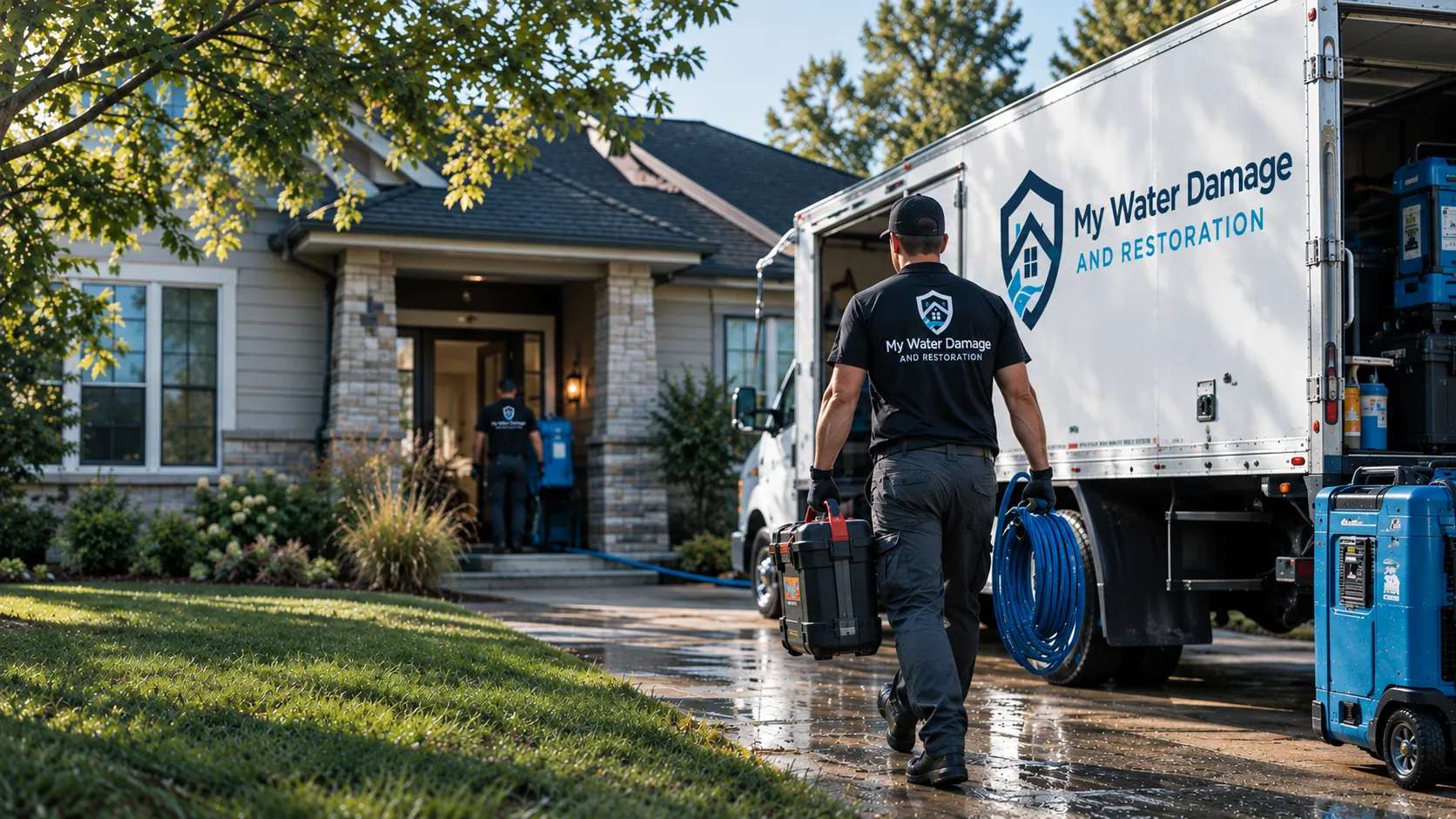
Emergency
Sewage Backup Cleanup in Lakewood, CO
Porous material that has touched it is not dried, it is removed. That single rule is what makes this the dearest water loss at any volume. Category is a pricing rule before it is anything else. Porous material that has been in contact with sewage is removed and replaced rather than dried and returned, which converts what would have been equipment days into demolition, disposal and rebuild across the affected area - the same volume of water, a far larger scope.
Independent local crews · licensed for the scope
Every pro in our network is licensed and insured in Colorado.
Often needed alongside
- Emergency Water Extraction
The cheapest stage of a water loss, and the one that decides how expensive the rest of it gets. Standing water is removed before it moves into the structure.
- Groundwater & Basement Water Intrusion
The lowest point in the house is usually the most finished. That combination is what makes below-grade water the most expensive square footage on the estimate.
- Structural Drying & Dehumidification
Units times days, ending on a measured reading. The most checkable line on a water estimate, and the alternative to cutting material out.
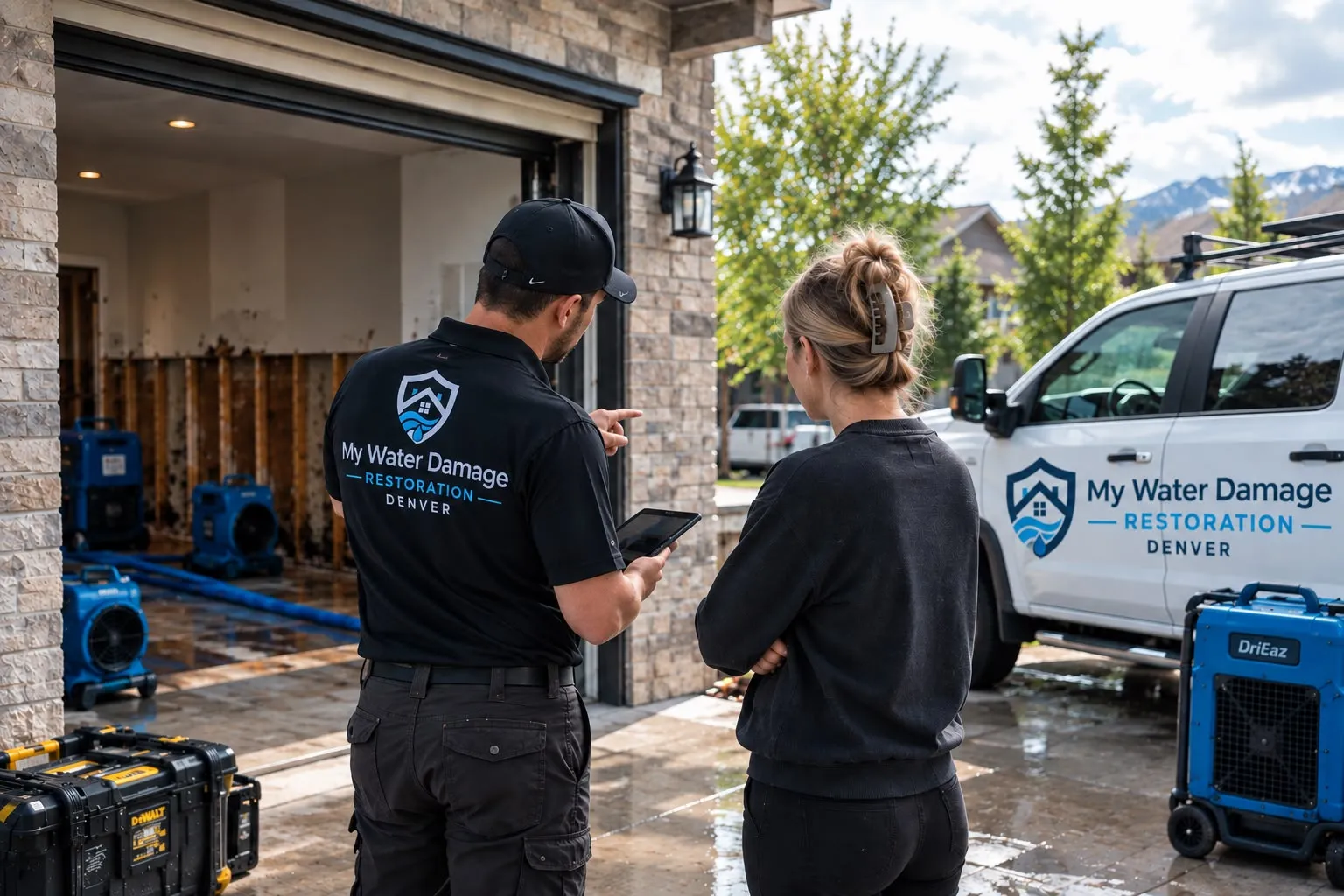
Frequently asked questions
The leak came from the unit above. Who pays for the ceiling?
That is a question with two policies in it and usually an association agreement as well, and it turns on documents nobody on site has read. What a contractor can do is scope and price the work; who carries which part is settled between the policyholders, their carriers and whatever governs the building.
Can the ceiling be dried without opening the floor above?
Sometimes, but rarely completely. Water that came through a floor assembly is sitting in the cavity between two dwellings, and insulation saturated up there is removal rather than drying. Relief cuts from below reach some of it. Ask what the estimate assumes about the cavity, and what changes if it has to be opened from above.
Why is an attached home slower to settle than a detached one?
Because the work needs agreement before it can start. The scope crosses into a second dwelling, sometimes into common structure, and each side has its own policy and its own deductible. The mitigation stage usually proceeds on its own; the rebuild is where the delay lands, and it is not a contractor's decision to make.
The same questions, in context, on the Lakewood city page.