
Water Damage Restoration
Emergency Water Extraction
The cheapest stage of a water loss, and the one that decides how expensive the rest of it gets. Standing water is removed before it moves into the structure.
Available through independent local providers in 57 cities across 1 states.
Every figure is written on site, after the readings - never over the phone.
What it is
Extraction is pulling the free water out before it becomes part of the building, and it is the one stage where speed changes the size of every figure after it. Water removed in the first hours is water that never had to be dried out of a wall, and never had to be cut out of one.
When it is needed
Any standing water that is not draining on its own: a split supply line, a failed appliance, a backed-up drain, an overflow, or storm water that got inside. Whether the surface still looks wet matters less than how long it has been there, because contact time is what sets the scope.
What it typically involves
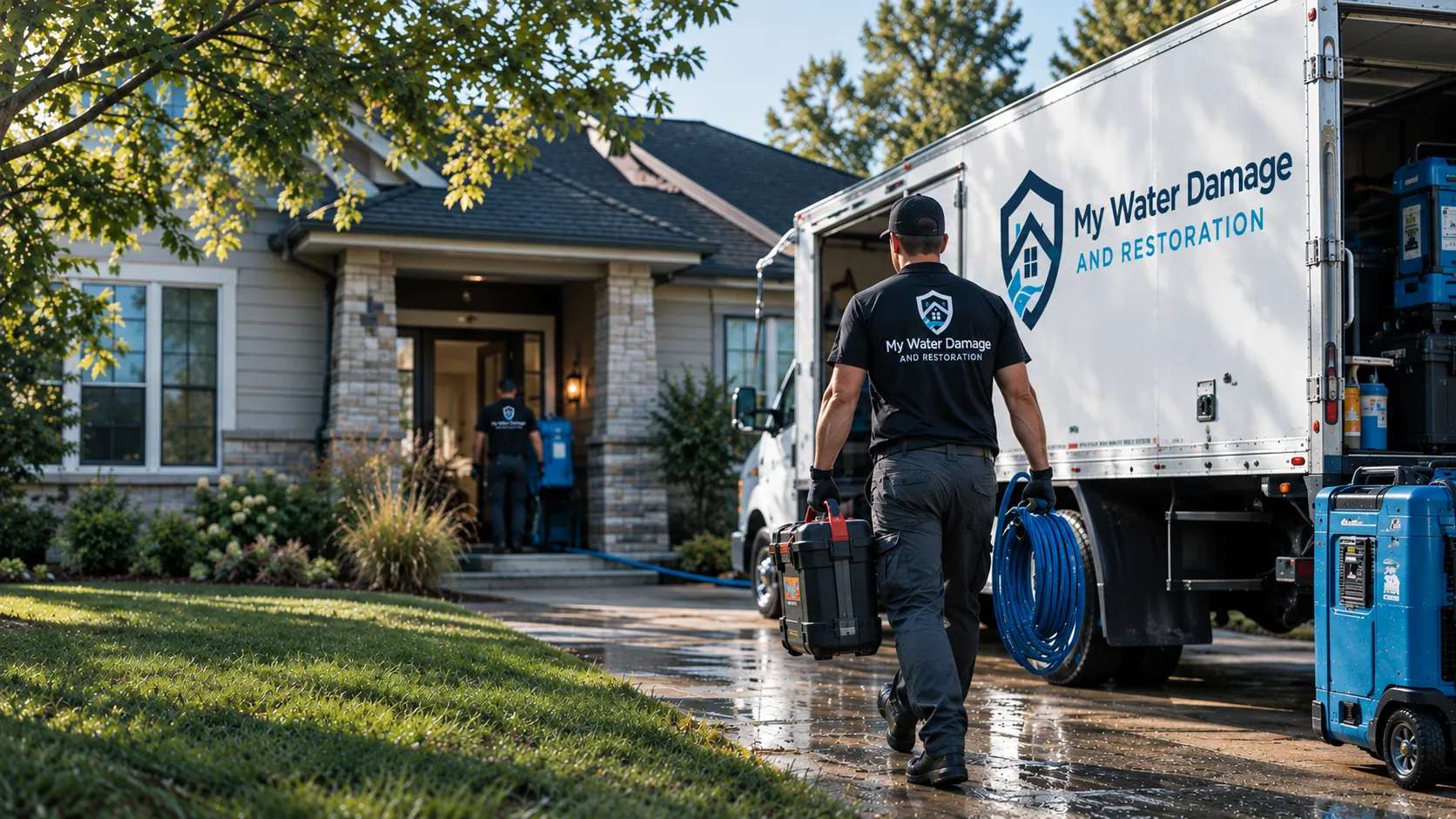
Truck-mounted or portable extractors take the water off hard floors and out of carpet and pad; weighted tools press it up out of the pad rather than skimming the surface. On the estimate this appears as labor and equipment for the visit rather than as a per-day line, which is why it is usually the smallest number on a document and the one with the largest effect on the rest of it.
Need emergency water extraction?
Calls are connected to an independent, licensed provider covering your area.
Priced on site, from readings - not over the phone.
Related services
Emergency Water Extraction by city
Each city page covers the permitting rules, licensing thresholds and local conditions that apply there. Coverage is not limited to these cities — they have their own pages because the local rules are worth writing down.
These are the largest of the 57 cities with their own page for this service. For the rest, pick a state from the coverage list and every city it covers is listed there.